


Ketogenic diets are gaining popularity in health and wellness circles.The term "ketogenesis" describes the process in which the body creates special organic substances - ketones - which (in addition to fatty acids) act as a source of energy when carbohydrate intake is reduced.
An ideal way to lose weight for fatty meat lovers who can do without bread and sweets.
Thus, ketogenic diets are initially high in protein and fat and very low in carbohydrates.As a result, the body must use fats and ketone bodies as an energy source, rather than glucose from carbohydrates, to fuel the brain, heart, kidneys, muscles, and other tissues.
The ketogenic diet is becoming essential among health and fitness enthusiasts, with numerous clinical studies supporting its therapeutic properties.These benefits typically include improved mental function, more stable energy levels, faster weight loss, and increased resistance to stress.
Although you already know that the keto diet is a low-carb meal plan, there is still a lot to learn about how to stick to this meal plan and get results without fail.In this guide, we'll take a closer look at the physiology and benefits of this diet, the different types/options of meal plans, and how to create your own menu (along with an example meal plan).
What is a ketogenic diet?
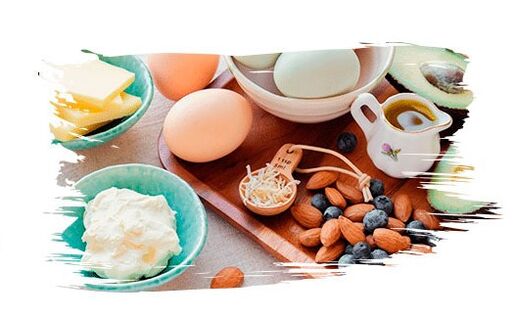
The ketogenic diet is a low-carb eating pattern that includes moderate protein intake and high amounts of healthy fats.Reducing your carbohydrate intake helps put your body in a state that promotes the breakdown of fat (both from the diet and from the body) to produce ketone bodies and enter a state known as “nutritional ketosis”.
But what is ketosis?Ketosis is a natural metabolic process, during which the body uses fats for biological energy production in times of nutrient deficiency (mainly carbohydrates).
When you follow a ketogenic diet, your brain, like other organs, depends on ketones for energy.Ketones begin to be produced in the body when it reaches a state of nutritional ketosis.
How many kg can you lose?
All results are strictly individual.After analyzing 6 studies focusing on the ketogenic diet, participants were able to lose between 3.2 and 12 kilograms after 6 months.The approximate average value of kg of excess weight lost over six months is approximately 6 kg.
What does the ketogenic diet consist of?
A typical plan for this diet (regardless of how long it lasts) looks like this: 10% of total daily calories come from healthy carbohydrates, such as leafy greens, non-starchy vegetables, or small amounts of legumes and fiber-rich fruits;20-30% of calories come from protein, such as meat and some plants;and 60-70% of calories come from healthy fats such as flaxseed oil, fish oil, avocado, nuts/seeds.
This approximate macronutrient ratio is a general guideline for all meals of the day.The ideal micronutrient ratio for you should be adjusted slightly depending on your physical activity and personal goals.
To calculate your energy needs while on a ketosis diet, use a basic daily calorie calculator and then calculate your calories based on the macronutrient ratios above.Remember that protein and carbohydrate contain four calories per gram;fats contain nine calories per gram.
Basics and rules of the ketogenic diet

The keto diet is more about replacing one source of calories with other sources of calories consumed, rather than a complete overhaul of your diet.The biggest difference is avoiding processed foods, carbs, and high sugar foods, which is a lot easier than it sounds once you learn how to replace high sugar foods with high protein and high fat foods.
If you follow this diet, you will eat a lot of meat, dairy and vegetables.You will eat very little, if any, fruit and no grains at all.
The role of protein in the ketogenic diet
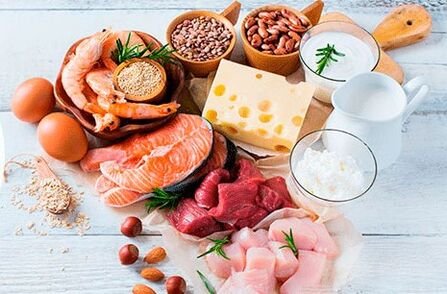
People on the ketogenic diet advocate eating protein-rich and filling foods.In addition to the high fat content, you need to control your protein intake.It is important to understand how protein works in the keto diet and how to achieve optimal results.
Since you are essentially eliminating carbohydrates from your diet, some people find that they need to increase their protein intake.This is not true, in fact too much protein can actually “kick” you out of ketosis.A common mistake is for people to think of the ketogenic diet as a high protein and high fat diet.This is incorrect because it is a high fat, moderate protein and limited carbohydrate diet.
Why is eating too much protein on a ketosis diet bad?
As explained earlier, ketosis occurs when the body uses ketones for fuel instead of carbohydrates.People don't realize that in the absence of carbohydrates, the body can produce energy by breaking down proteins into glucose.This process is called gluconeogenesis.When you consume more protein than your body needs, your body responds by raising insulin levels and lowering blood ketone levels.
What does this mean?
This means that if you restrict your carb intake, your body may instead go into gluconeogenesis instead of ketosis, and you won't experience the benefits of a ketogenic diet.
How to regulate protein intake
Now that you have a brief understanding of why too much protein is not good for the ketogenic diet, it's time to find out how much protein you should be eating per day on the keto diet to stay in ketosis.
The keto diet calculator lets you enter all the data and find out how many carbs, protein, and fat you should be eating based on your body type.It also depends on your lifestyle (how active you are), as well as your age, gender, etc.
Now that you have a brief understanding of why too much protein is not good for the ketogenic diet, it's time to find out how much protein you should be eating per day on the keto diet to stay in ketosis.
The keto diet calculator lets you enter all the data and find out how many carbs, protein, and fat you should be eating based on your body type.It also depends on your lifestyle (how active you are), as well as your age, gender, etc.
How to eat more vegetables on a ketogenic diet
Most vegetables are low-carb, which means you can eat a pretty large meal and still consume fewer calories than a single serving of other keto-friendly foods.Vegetables have a high fiber content, which is not only suitable for appetite control, but also good for the digestive system and general health.

If you're not used to eating more vegetables every day (because let's be honest, many of us don't eat vegetables every day), this positive change isn't that difficult to incorporate into your diet.
Types of safe vegetables
You want dark and leafy greens.Anything that looks like spinach or kale.Vegetables grown above ground (cruciferous) are optimal.
But be careful...
Because there are vegetables that should be avoided while dieting because they contain a large amount of carbohydrates.These are primarily root vegetables grown underground.Here are some vegetables to limit:
- Bow
- garlic
- mushroom
- tomato
- pepper
- leek
- potato
Table of carbohydrate content of vegetables
| Title | Number of carbohydrates, g |
| Garlic | 30.96 |
| Sweet potatoes | 23.78 |
| Tarot | 22.36 |
| Water chestnut | 20.94 |
| Sweet potatoes | 17.12 |
| Potato | 16.77 |
| Maize | 16.32 |
| Ginger | 15.77 |
| Green peas | 13.57 |
| Parsnip | 13.09 |
| Leek | 12.35 p.m |
| Lotus root | 12.33 p.m |
| Chestnut | 9.69 |
| Soy-bean | 8.47 |
| Bow | 7.64 |
| Celery | 7.4 |
| Chili pepper | 7.31 |
| Carrot | 6.48 |
| Beetroot | 6.46 |
| Sweet onion | 6.64 |
| Rutabaga | 6.32 |
| grape leaves | 6.31 |
| pumpkin | 6 |
| Dandelion | 5.7 |
| Yellow pepper | 5.42 |
| Mini carrots | 5.34 |
| Red cabbage | 5.27 |
| Kale | 5.15 |
| Brussels sprouts | 5.15 |
| Artichoke | 5.11 |
| Enoki mushroom | 5.11 |
| Pea | 4.95 |
| Shallot | 4.74 |
| turnip | 4.63 |
| Shiitake mushroom | 4.29 |
| Mitaka mushroom | 4.27 |
| Okra | 4.25 |
| dill | 4.2 |
| Bean sprouts | 4.12 |
| Broccoli | 4.04 |
| Physalis | 3.94 |
| Red pepper | 3.93 |
| Artichoke heart | 3.88 |
| Radicchio | 3.58 |
| cucumber | 3.19 |
| White cabbage | 3.07 |
| Bamboo stem | 3 |
| Green cabbage | 3 |
| Seranno pepper | 3 |
| Cauliflower | 2.97 |
| Green pepper | 2.94 |
| Eggplant | 2.88 |
| Olive | 2.8 |
| Tomato | 2.69 |
| Kohlrabi | 2.6 |
| champignon mushroom | 2.57 |
| Boletus mushroom | 2.26 |
| Swiss chard | 2.14 |
| Zucchini | 2.11 |
| Arugula | 2.05 |
| Chinese kel | 2.03 |
| Green onions | 1.85 |
| Avocado | 1.84 |
| Radish | 1.8 |
| Asparagus | 1.78 |
| Mustard greens | 1.47 |
| Spinach | 1.43 |
| Parsley | 1.37 |
| bok choy | 1.18 |
| Nopales | 1.13 |
| Zherukha | 0.79 |
| Topped with broccoli | 0.15 |
Saturated and unsaturated fats

Don't let these great words confuse you.Simply put, different types of fat behave differently in our bodies, which actually means that not all fats are bad for us.
Saturated fats are usually solid at room temperature (butter), while unsaturated fats are liquid at room temperature (olive oil).Saturated fats are found in animal products such as meat, dairy and eggs, while unsaturated fats come from plant sources such as nuts and seeds and some vegetables (avocados and olives).
The ketogenic diet requires you to consume a certain amount of fat each day, depending on your specific parameters and dietary goals, so do your best to consume equal amounts of saturated and unsaturated fats for best results.
Foods that should not be dieted
In order to increase the likelihood of weight loss success, you need to eliminate as much junk food as possible from your diet.This is important to prevent temporary weakness.
List of prohibited products:
Cereal and starch products
- Flour, pizza, pasta, bread, crackers, cereals, crackers, corn, oats, potatoes, rice and baked goods.
Anything with sugar in it
- Any refined sugar, candy, dessert, fruit juices, milk chocolate, baked goods, soft drinks, etc.
Reduce Omega-6 fatty acids
- In a typical diet, the ratio of omega-6 to omega-3 fatty acids is 20:1.In the same diet, this should not be more than 4:1.
- Stay away from factory farmed fish and pork due to their high Omega-6 content.
- Avoid oils such as soybean, canola, peanut, sesame, sunflower, corn and grape seed.
Most fruits

- It is recommended that you avoid most fruits, but if you choose to indulge in fruit, you can eat small amounts of berries.
- Stay away from dried fruits
They are legumes
- Avoid beans, peas or lentils due to their high carbohydrate content.
Processed foods
- Avoid packaged foods that contain trans fats, preservatives, added sugar, and all that other junk you can't even pronounce.
Alcohol
- Avoid beer, sugary alcoholic drinks and sweet wine.
Artificial sweeteners
- Sweeteners such as sucralose or other sweeteners containing aspartame can cause excessive cravings or other problems.
Low-fat and low-carbohydrate foods
- Most of these products are either high in carbohydrates or contain large amounts of artificial ingredients.
What to consider before starting a diet
As with any lifestyle change, you need to get in the right mindset and plan your journey.If you don't plan your weight loss goals, your chances of success decrease dramatically.You don't want to be the average person who says they're going to change, you want to be the person who actually does.
Here are 6 tips to keep in mind before committing to the keto diet:
- It's in your best interest to see a professional (doctor and/or nutritionist) before starting this diet to a) get blood work done to make sure you don't have any underlying medical conditions and b) make sure you have enough knowledge to eat healthily and not just throw away foods you think are unhealthy and eat very little of.
- Getting rid of all foods that are not on the keto diet.Go through your fridge, pantry, cupboards and donate or throw out any food that isn't keto friendly.
- Learn to read food labels.Learn what macronutrients are and how to count them.Before starting the ketogenic diet, you need to learn the basics.
- Gradually reduce your sugar and carbohydrate intake.The transition into ketosis will be much smoother if you reduce your carbohydrate intake gradually rather than jumping right into it.You are less likely to get the “keto flu” and feel more comfortable in the early stages of a full keto transition.
- Drink plenty to help your body adapt smoothly.
- Learn how to measure ketone levels.It would be in your best interest to study the level of ketosis in your diet so you know how to eliminate future problems.What are the benefits of eating like this?
What is the advantage of such nutrition?

Clinical trials and scientific evidence suggest that the ketogenic diet has many health benefits for girls: increased energy, weight loss, increased cognitive performance, supports blood sugar balance, and improves cardiovascular health.
Improved mental function
When following a ketogenic diet, the brain uses ketone bodies as its primary fuel source instead of glucose.This switch helps increase brain-derived neurotrophic factor production, which promotes increased neural function, improved mental alertness/clarity, and improved cognition.
Better blood sugar control
Research has shown that low-carb diets help the body's insulin metabolism.Reducing carbohydrates helps maintain stable blood sugar levels by breaking down fats and proteins (which are long-term energy sources).
Weight loss
The low-calorie ketogenic diet encourages the body to use fat for fuel, and clinical evidence supports its effectiveness for weight loss.Additionally, a ketogenic diet can help suppress your appetite and reduce cravings after meals because ketones increase satiety signals in the brain.
Increased energy
In ketosis, the body uses fats and ketones as fuel instead of glucose, providing the body and brain with the constant energy needed to maintain physical performance.
Improved cardiovascular function
Research shows that the ketogenic diet can help maintain a healthy balance of blood fat levels in women.In fact, inflammation and oxidative stress tend to be lower in people following a keto diet than in people following a high-carb diet.
Keto diet plan options

System changes depend on your goals and body characteristics.
It is generally recommended to follow a standard keto diet during the initial transition to a low-carb lifestyle and transition into a state of ketosis.Once your body has “adapted to fat as an energy provider,” you can experiment a bit and decide which keto diet plan you want to follow long-term.
Standard
The standard keto diet is best for people who are just starting out on a low-carb diet and want to adapt to ketosis quickly.This plan is also suitable for those who want to improve their health and physical endurance.
Focused
If you've noticed that strict adherence to a regular keto diet leaves you sluggish and unable to fully exercise throughout the week, this is the perfect way to integrate intermittent carb intake with your targeted keto diet.To do this, consume about 30-50 grams of carbohydrates with moderate proteins and fats before training (up to five times a week).
Cyclic
The cyclical keto diet meal plan is a progressive type of ketogenic diet that involves periodic "repeated" carbohydrate loading on certain days of the week.For example, you can replace the 300 grams of carbohydrates integrated into your diet (on these days, you should reduce your fat intake).This allows your body to replenish muscle glycogen and may be the best choice for very active people and those who exercise a lot.
The next section is about the specific supplements you should consider while following a ketogenic diet meal plan.Read on to learn all about the recommended supplements to optimize your ketogenic lifestyle!
What supplements should I buy?

Exogenous ketones
Exogenous ketones are typically bioavailable salts of beta-hydroxybutyrate, a source of exogenous ketones that induce ketosis rapidly (usually within 30 minutes).
How does this work?
Causes acute nutritional ketosis within 15 minutes of ingestion.We speak of acute ketosis when the ketone level in the blood rises above 0.5 millimoles/liter at the same time.
TSC oil
MCT oil is a mixture of caprylic (C8) and capric (C10) triglycerides, special types of medium-chain triglycerides.TSC may help support cognitive function, and preclinical studies suggest that TSC may also help with mitochondrial function.TSC oil supplements also temporarily increase ketone levels, which serve as an alternative source of energy for the brain and muscle tissue.
How does this work?
It helps increase ketone production and gives you energy.Medium-chain triglyceride supplements may temporarily increase ketone production compared to traditional long-chain triglycerides.
Electrolyte/mineral supplements
Your body's electrolyte levels may drop when you're on a keto diet, due to decreased cellular hydration.In such cases, it is advisable to consider supplementing with electrolytes/minerals or taking additional minerals in tablet form.
How does this work?
It helps maintain a healthy micronutrient level in the body.
The best food choices for the keto diet
Below is a complete list of the top approved foods to choose from for your ketogenic meal plan:
Protein sources
- Egg
- Salmon
- Tuna
- Herring
- Trout
- Steak
- Ground beef
- Turkey
- Sardinia
- Lamb
- Offense
- Buffalo meat
- chicken
- Protein powder (whey, casein, etc.)

Vegetables
- Asparagus
- Bean sprouts
- Broccoli
- Brussels sprouts
- Cabbage (bok choy, green, red)
- Cauliflower
- Celery
- cucumber
- Eggplant
- Green or green beans
- Artichoke
- Kimchi
- Leafy greens (arugula, dandelion, spinach, Swiss chard, radicchio, watercress)
- Salad
- Mushroom
- Okra
- Onions (green, brown, red, shallot)
- Peppers (jalapeno, sweet, chili)
- Radish
- Sauerkraut
- Algae
- Germs
- Sweet peas, snow peas
- Tomato
- turnip
- Water chestnut
Oils and fats
- Avocado
- Sunflower oil
- Avocado oil
- Coconut oil
- Grape seed oil
- Olive oil
- Sesame oil
- Linseed oil
- Raw nuts/seeds
- Nut oils
- Coconut milk
- Olive
Drinks
- Coffee / espresso
- Caffeine-free, unsweetened teas (green, mint, chamomile, hibiscus, etc.)
- Mineral water (distilled or carbonated)
- Water
Sweeteners
- Luo Han Guo
- Stevia
- Xylitol
Spices, herbs and spices
- Cocoa (powder)
- bone broth
- Flavored extracts (almond, vanilla, etc.)
- Garlic
- Ginger
- Fresh or dried herbs (dill, basil, onion, coriander, mint, oregano, rosemary, sage, thyme, etc.)
- horse-radish
- Mustard
- Citron
- Salsa (unsweetened)
- Soy sauce
- Spices, fresh or dried (chili powder, cardamom, cinnamon, cumin, curry, garlic powder, ginger powder, onion powder, paprika, pepper, turmeric, etc.)
- Vinegar